Every March and April we notice the same thing at the counter in Brookfield Pharmacy: a sudden run on hydrocortisone, antihistamines and SPF. Spring is hard on British skin, and not for the reasons most people assume. Here's what's actually going on, and what works — from someone who spends her day recommending it.
Why spring is such a nuisance for your skin
It isn't really the sunshine — it's the change. In a few short weeks your skin goes from central-heating-dry to humid-and-oily, pollen counts start climbing, and the UV index creeps up while you're still in a winter moisturiser. Your skin barrier takes a few weeks to catch up.
If you notice any of the following between mid-March and the end of May, you're not imagining it:
- itchier eyelids and cheeks, especially after you've been outside
- breakouts in places you'd usually only see them in summer
- pink patches or "hayfever rash" on the neck and forearms
- eczema flaring after a few dry, blustery days
Pollen rashes and allergic skin
Hayfever doesn't always hit the nose first. A lot of our patients come in thinking they've developed a new allergy to washing powder or a face cream when it's actually airborne tree pollen landing on their skin.
What tends to help:
- washing your face when you come in from outside (pollen sits on skin)
- a short course of a non-drowsy antihistamine like cetirizine or loratadine
- a bland, fragrance-free moisturiser — Cerave, La Roche-Posay Toleriane, or E45 Dermatological work well
- 1% hydrocortisone cream short-term for flare patches (safe on adults, but not for the face without advice)
If it's itchy eyelids specifically, don't put hydrocortisone around the eye area without speaking to a pharmacist first — eyelid skin is thin and reacts badly. Ask us and we'll suggest a safer option.
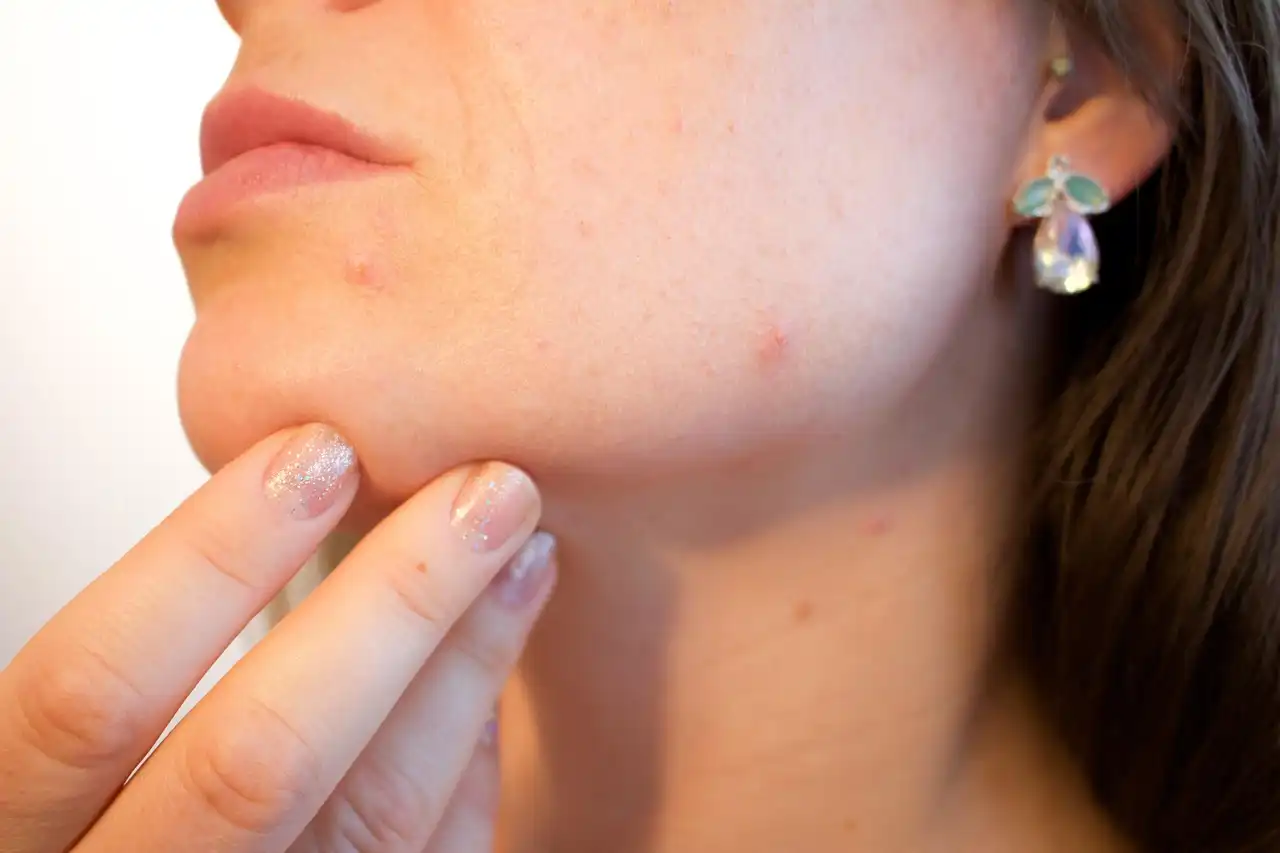
Breakouts that show up in April
If you broke out through the winter and now it's worse, the usual culprit is trapped sebum. Your skin is producing more oil than it did in January but you're still layering on heavy creams out of habit.
The fix is usually a switch, not an overhaul:
- swap your cream moisturiser for a gel or lotion
- add a salicylic acid cleanser (La Roche-Posay Effaclar, CeraVe SA) two or three times a week
- if spots are inflamed and pus-filled, a benzoyl peroxide 5% gel spot-treats well — start every other night to avoid irritation
- don't stop your moisturiser; over-drying makes oil production worse
If things don't improve in six weeks, come and see me — persistent adult acne often needs a prescription topical or, in the right cases, oral treatment.
Sun damage starts now (yes, really)
March and April UV is stronger than people think. The ozone layer is thinnest in spring, reflected UV off pale cloud adds another chunk, and most of us are still pasty from winter. This is when hyperpigmentation and sun spots get set up for the summer.
A daily SPF 30 on your face, ears and the back of your neck is honestly the best anti-ageing move you can make. On advice to patients:
- mineral sunscreens (zinc oxide/titanium dioxide) suit sensitive and acne-prone skin
- chemical sunscreens (La Roche-Posay Anthelios, Garnier Invisible) are nicer under makeup
- don't forget that a £15 face SPF does the same job as a £45 one if the SPF number is identical
Eczema and dermatitis
A lot of our eczema patients assume flare-ups are about winter cold. Spring actually triggers a second peak — wind, pollen, and going in and out of heated rooms.
The routine we advise:
- moisturise within three minutes of washing while skin is still damp
- avoid anything foaming or fragranced on flare patches (soap substitutes like Dermol 500 or QV wash are much better)
- short courses of steroid cream are fine when prescribed — don't ration them and let a flare get out of hand
- keep a tub of thick emollient (Epaderm, Cetraben) by the sink
If you've been on the same steroid cream for a long time, it's worth a review — stronger isn't always better and weaker ones sometimes work if used properly.
When to stop self-treating and come in
Pop in or book a skin consultation at Brookfield Pharmacy if:
- a rash lasts longer than two weeks despite sensible treatment
- acne is leaving scars
- you've got a mole that's changed shape, colour or started itching
- eczema is disturbing your sleep
- you're using hydrocortisone more than two weeks running
I run a private skin clinic on-site — I hold a postgraduate diploma in dermatology and I'm a prescriber, so for a lot of conditions you won't need to wait weeks for a GP referral. Appointments are usually within the week.
The short version
Spring skin is a little needy. Lighter moisturiser, daily SPF, fragrance-free basics, and the occasional short course of hydrocortisone or salicylic acid will sort most problems. If it's not getting better, don't keep throwing products at it — come in and let's have a proper look.
Brookfield Pharmacy is at 5 Brookfield Road, Hucclecote, GL3 3HA. Walk in any opening hour for over-the-counter advice, or call 01452 618377 to book a skin consultation.
About Ravneet Chahal
Ravneet Chahal is a highly qualified Pharmacist Prescriber at Brookfield Pharmacy with extensive professional credentials and expertise in clinical pharmacy practice.
Qualifications: MPharm, PGDip, PGCert IP, MCMA
With her specialized knowledge and prescribing authority, Ravneet is committed to providing evidence-based health information and personalized pharmaceutical care. She supports our patients in making informed decisions about their health and wellness.
Need Professional Advice?
Our experienced pharmacists at Brookfield Pharmacy are here to help. Get personalized advice for your health concerns.
Related Articles
Discover more insights from our expert team