Most trip health problems aren't dramatic — no bites from rare snakes, no jungle diseases, no exotic parasites. They're the stuff you'd have sorted at home in ten minutes if you'd thought about it before boarding. Working in a busy travel clinic, we see the same pre-trip mistakes repeatedly, and the same "if only I'd known" conversations on the way back. Here's honest travel health advice from Brookfield Pharmacy in Hucclecote — the 12 common mistakes we see most often, and how to avoid each one.
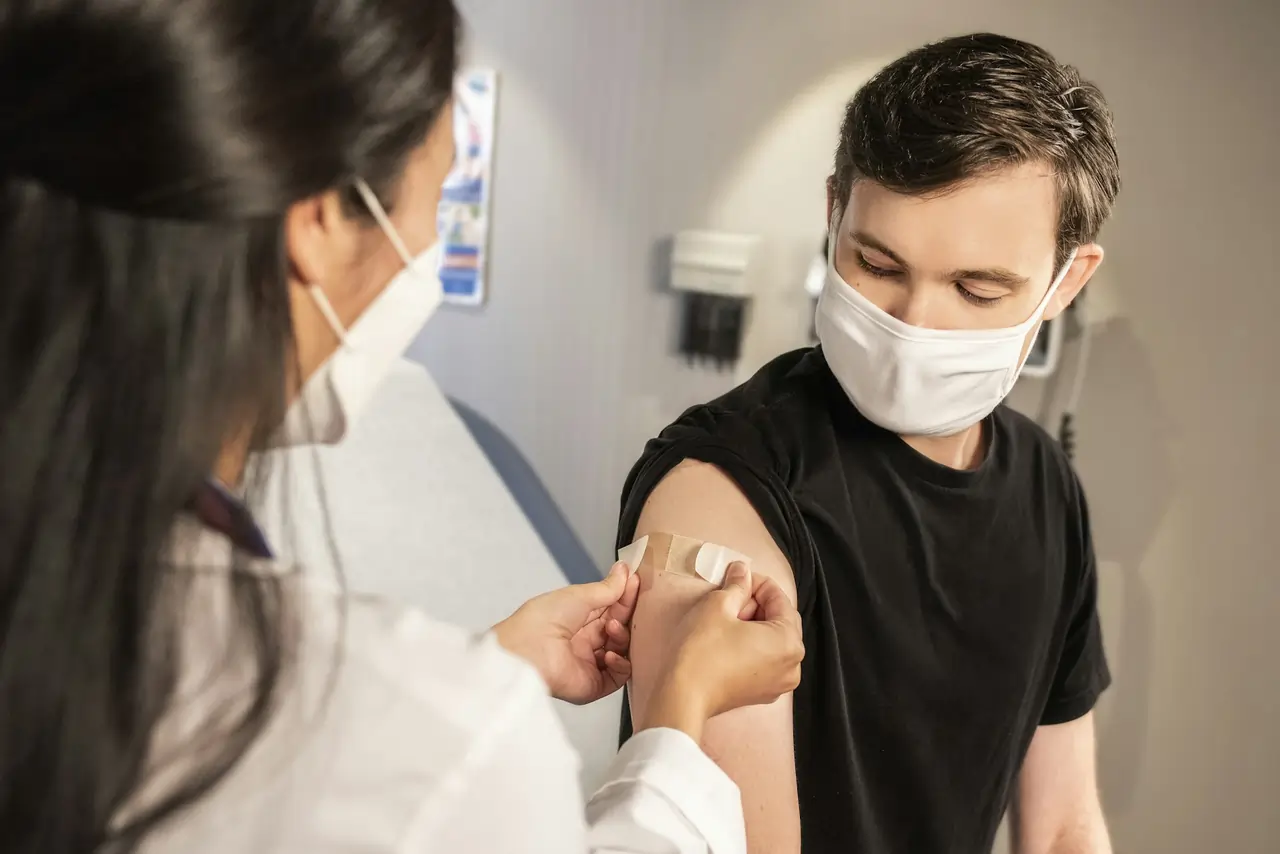
1. Leaving vaccinations to the last week
Six to eight weeks before travel is the sweet spot for a first travel clinic appointment. Multi-dose vaccines (rabies, hep B, Japanese encephalitis) need that runway to be completed on the standard schedule — the accelerated versions cost more and, for some, don't give quite the same duration of cover.
The fix: Book the moment you book the flight. Even if you're going somewhere "safe," a short consultation confirms whether you actually need anything and — often — that a single hepatitis A jab and a check of your routine boosters is all it takes.
2. Assuming the NHS covers travel vaccines
Most travel vaccines have been de-listed from routine NHS provision in England. A few (tetanus, polio boosters if genuinely overdue) may still be free at your GP; everything else is private. Planning a budget around "free NHS vaccines" and then discovering otherwise the week before travel is one of the more painful conversations we have.
The fix: Assume private, budget accordingly. See our transparent travel vaccine cost guide for realistic totals.
3. Not checking your childhood vaccination record
The routine UK schedule covers you against tetanus, diphtheria, polio, MMR and (for a chunk of the adult population) meningitis. But boosters lapse, records go missing, adults who moved to the UK as children may never have completed the schedule, and gaps show up exactly when you don't want them — say, standing on a rusty piece of metal in rural Vietnam.
The fix: Bring your Red Book (if a child) or ask your GP for a printout of your vaccination history before your travel appointment. If any routine booster is due, get it. It's often free.
4. Skipping malaria tablets to save money
The tablets cost £30–£90 for a typical trip. Untreated malaria kills within days, and the falciparum strain (common in sub-Saharan Africa) can be rapidly fatal. Every year we see people who skipped the tablets to save the cost — sometimes fine, sometimes not.
The fix: If you're travelling to a malaria area, take the tablets. Doxycycline is cheap (from around 30p per tablet). Save money somewhere else on the trip.
5. Forgetting that mosquito avoidance matters more than the tablets
Malaria tablets are the second line of defence. The first is not getting bitten in the first place. Antimalarials are 85–95% effective if taken correctly — better than nothing, not perfect. Add proper bite avoidance and effective protection climbs significantly.
The fix: DEET repellent (30–50% strength), long sleeves and trousers at dusk, insecticide-treated bed nets in high-risk areas, air conditioning where available. Dengue, Zika and chikungunya spread by day-biting mosquitoes — the same rules apply during daylight.
6. Packing prescription medicines without their original boxes or a letter
Some countries take a hard line on medicines crossing their border — especially anything sedating (diazepam), stimulant (ADHD medicines), or containing codeine. Loose tablets in an unlabelled bottle, particularly of a controlled drug, can genuinely land you in trouble at customs.
The fix: Keep prescription medicines in the pharmacy-labelled box they came in. For anything sedating, controlled, or unusual, ask us for a letter confirming what the medicine is and why you're taking it. Check the destination country's import rules — some (UAE, Singapore, Japan) are stricter than most.
7. Buying a random "travel first aid kit" that misses the essentials
The £15 kits in supermarkets are heavy on plasters and light on the actually useful stuff. What you'll typically want (assuming a moderately adventurous trip):
- Rehydration salts (dioralyte or similar)
- An anti-diarrhoeal (loperamide) — for emergency plane journeys, not for treating suspected food poisoning at leisure
- Painkillers (paracetamol + ibuprofen)
- Antihistamines
- Antiseptic cream and a couple of proper wound dressings
- Sunscreen and after-sun that doesn't disappoint
- Insect repellent
- Any personal repeats plus a few days' emergency spare
The fix: Build the kit around your destination and activities, not around a generic supermarket bag. We're happy to spend five minutes at the counter running through it with you.
8. Ignoring altitude sickness for high-altitude trips
Above about 2,500m, altitude sickness becomes possible for anyone regardless of fitness. Cusco (3,400m), Lhasa (3,650m), the Everest region trekking routes, parts of Bolivia and northern Chile — all high enough to matter. Symptoms come on quickly and can be dangerous if you keep ascending through them.
The fix: Ascend gradually if you can. Acetazolamide (Diamox) is a prescription option we can supply after a consultation — it doesn't prevent altitude sickness entirely, but it takes the edge off and speeds acclimatisation. Know the warning signs (persistent headache, nausea, confusion, breathlessness at rest) and descend if they escalate.
9. Underestimating food and water risk
"Hot food and bottled water" is the shorthand, and it holds up. The specific traps we see catch people out: ice cubes in a soft drink, salad rinsed in local water, undercooked eggs, unpasteurised dairy, buffets that have been sitting warm. And the biggest one: raw seafood, especially bivalves like oysters. Norovirus and hepatitis A both love those.
The fix: Boil, cook, peel — or skip. Bottled water for drinking and teeth-brushing in higher-risk countries. Not paranoid, just consistent.
10. Forgetting to keep travel insurance details somewhere you can actually access them
You lose your bag. Your phone drowns in the sea. You're in a hospital abroad and someone needs to call the insurer. If everything's on the phone that's currently ruined, you're stuck.
The fix: Photograph your insurance policy, passport, EHIC/GHIC card if EU-bound, and a note of your regular medicines. Email them to yourself, and to a family member. Old-school, effective.
11. Stopping antimalarials the day you land back home
Doxycycline needs to be continued for 4 weeks after leaving the malaria area. Atovaquone/proguanil (Malarone) for 7 days after. Stopping early is one of the most common reasons antimalarials fail — and malaria can present up to a year after exposure, so "I feel fine" on the flight home isn't the finish line.
The fix: Set a phone reminder for the last-tablet date on the day you leave the risk area. Take the full course.
12. Not knowing what to do if you get ill on the trip
Panicking abroad about which hospital, which insurance number, whether you can buy paracetamol at the local pharmacy — it wastes energy you already don't have.
The fix: Before you go, know:
- Your travel insurance emergency number (in your phone and on paper)
- Where the nearest well-regarded hospital is at your destination
- Any specific health service numbers (some countries have their own version of 999)
- Which of your regular medicines are safe to buy over the counter locally (in some countries, quite a few UK prescription medicines are OTC — useful in an emergency)
Frequently asked questions
How far ahead should I book my travel consultation?
Six to eight weeks before travel is ideal for a first appointment. It gives time for multi-dose vaccine courses to complete on the standard schedule. Shorter timeframes are still workable — accelerated courses exist for rabies and hepatitis B — but options narrow as time runs out.
Do I need travel health advice for European trips?
Usually not much beyond checking your routine UK boosters are up to date. Exceptions: tick-borne encephalitis for forested parts of central/eastern Europe, and reviewing what to take for common summer illnesses. A five-minute counter chat is often enough.
What travel health advice do I need for a baby or young child?
More, not less. Children need the same vaccines as adults for most destinations (from varying minimum ages), plus specific attention to food/water safety, mosquito protection (some repellents aren't suitable for babies), and sun protection. Bring their Red Book to the consultation.
Can you help if I've already left it too late?
Yes. Come in anyway — we'll get you the best protection your timeframe allows, and be honest about what's not achievable in the days you've got. Something is almost always better than nothing.
What's the single most important piece of travel health advice?
Prevention beats treatment. Bites, food and water safety, and taking your tablets as prescribed will keep you out of more trouble than any specific vaccine on its own. Vaccines protect against specific diseases; sensible habits protect against most of what actually goes wrong.
Book a travel consultation at Brookfield Pharmacy
Whether your trip is six months away or six days, a short consultation clarifies exactly what you need — and often reassures you about what you don't. Book online here or call 01452 618377. Brookfield Pharmacy is at 5 Brookfield Road, Hucclecote, Gloucester GL3 3HA, open Monday to Friday 8:30–18:00 and Saturday 9:00–12:00.
About Ravneet Chahal
Ravneet Chahal is a highly qualified Pharmacist Prescriber at Brookfield Pharmacy with extensive professional credentials and expertise in clinical pharmacy practice.
Qualifications: MPharm, PGDip, PGCert IP, MCMA
With her specialized knowledge and prescribing authority, Ravneet is committed to providing evidence-based health information and personalized pharmaceutical care. She supports our patients in making informed decisions about their health and wellness.
Need Professional Advice?
Our experienced pharmacists at Brookfield Pharmacy are here to help. Get personalized advice for your health concerns.
Related Articles
Discover more insights from our expert team