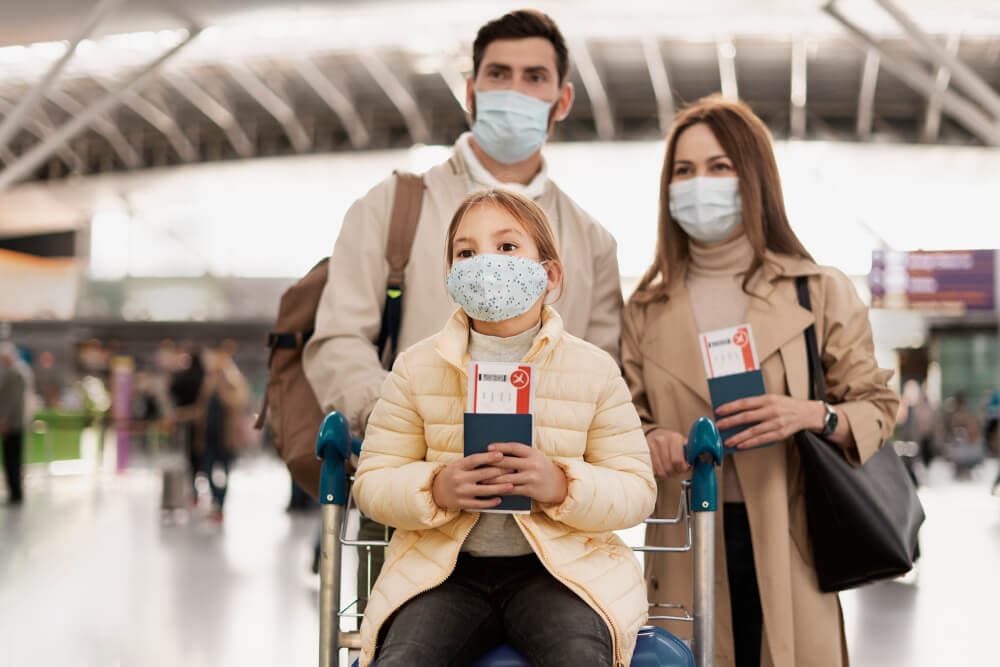
Every spring, as soon as Easter comes into view, we start getting a run of travel clinic bookings at Brookfield Pharmacy — half of them from people leaving in three weeks who've just realised their yellow fever certificate expired. Some of what follows is for them. The rest is for anyone who'd like to enjoy their holiday without coming home with something nasty.
Start earlier than you think
The single most common mistake is leaving it too late. Some vaccines are a course of two or three doses over a month. Rabies is three doses over 21 days (or 28 days if you want to do it the unhurried way). Japanese encephalitis is two doses 28 days apart.
Eight weeks before departure is the ideal. Six weeks is fine for most things. Two weeks is last-minute but we can usually still do something useful. If you're flying tomorrow, come in and we'll be honest about what's possible.
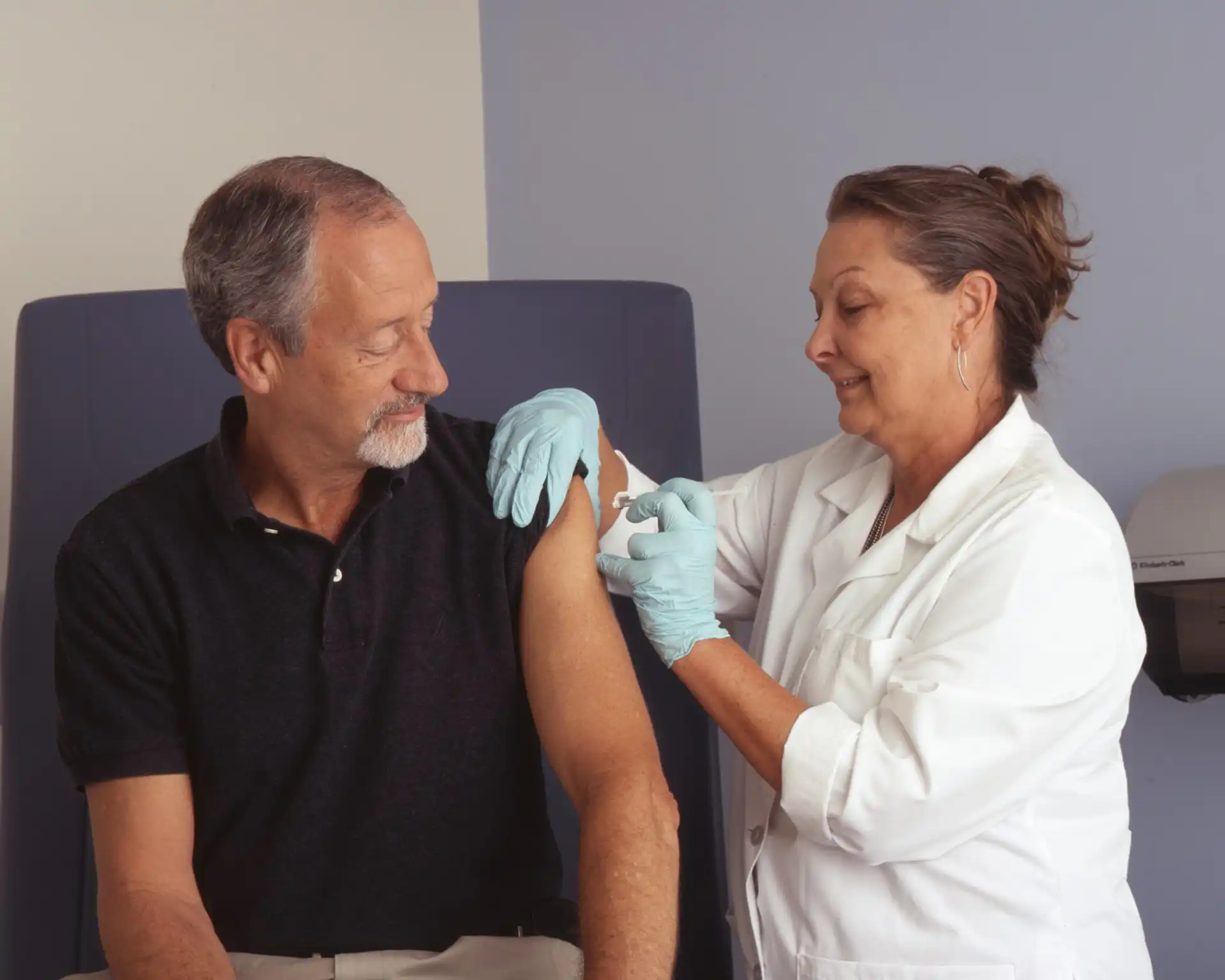
What our travel clinic actually does
It's not just jabs. A proper travel consultation at Brookfield Pharmacy includes:
- destination risk assessment — we check the latest NaTHNaC/fitfortravel guidance for where you're going and what you'll be doing there
- vaccination plan — only what you actually need (yellow fever if required, hepatitis A/B, typhoid, rabies, Japanese encephalitis, tick-borne encephalitis, meningitis ACWY, cholera, and routine boosters like tetanus)
- antimalarials — prescription malaria tablets (Malarone, Doxycycline or Lariam) with advice on which suits you
- altitude advice if relevant (Andes, Himalayas, Ethiopian highlands)
- dengue/Zika briefing — there's no vaccine for most travellers but the mosquito-avoidance advice is life-saving
We're a Yellow Fever Vaccination Centre, so we can also issue the International Certificate of Vaccination you'll need for entry into some countries.
The essentials most people get wrong
Malaria tablets
They only work if you take them correctly — and that usually means continuing for a week or four weeks after you get home, depending on the medicine. Don't stop the day you land back at Heathrow.
Carrying prescription meds
Keep medicines in their original boxes with pharmacy labels. For controlled drugs (some painkillers, ADHD medication, diazepam, methadone) you may need a personal license to travel with a three-month supply — ask your GP in advance.
Some routine UK medicines are controlled or outright banned in other countries — codeine-containing painkillers in Greece and the UAE, for instance. If you're on something less common, look it up on the destination country's embassy website, not a forum post.
Travel insurance
Check it covers: (1) your pre-existing conditions, (2) the specific activities you're doing (skiing, diving, motorcycling), and (3) medical evacuation. The cheap annual policies usually don't.
A sensible travel first-aid kit
For a normal two-week holiday, we suggest:
- paracetamol and ibuprofen (paracetamol is restricted in some countries — check)
- loperamide (Imodium) for diarrhoea
- oral rehydration sachets (Dioralyte) — far more useful than loperamide for children
- antihistamine tablets (cetirizine) and cream (crotamiton or 1% hydrocortisone)
- motion sickness tablets (cinnarizine, hyoscine patches)
- plasters, sterile gauze, micropore tape
- antiseptic wipes or a small bottle of chlorhexidine
- insect repellent — 50% DEET for malaria zones, picaridin as a gentler alternative
- SPF 50 sunscreen — double what you think you'll need
- small tube of antifungal cream (clotrimazole) for sweaty feet, groin, ears
- tweezers, small scissors, digital thermometer
If you wear contact lenses, pack a spare pair of glasses — dust, pool chlorine and unfamiliar tap water cause more problems than you'd expect.
Food and water: the boring stuff that saves your holiday
Travellers' diarrhoea fells roughly a third of people travelling to low- and middle-income countries. Mostly from water you didn't think twice about.
- bottled or boiled water for drinking and teeth-brushing
- no ice — it's usually tap water frozen
- if it's not peeled, cooked or from a sealed packet, be cautious
- street food from a busy stall is often safer than hotel buffets
If diarrhoea strikes: rehydration salts, plenty of safe fluids, loperamide only if you need to travel. If there's blood, high fever or it goes on more than 48 hours, find a local doctor.
Don't ignore the mosquitoes
Malaria kills more travellers than anything else avoidable. Your plan should be belt and braces:
- antimalarial tablets taken religiously
- DEET repellent on exposed skin, reapplied after swimming
- long sleeves and trousers at dusk
- a permethrin-treated mosquito net if your accommodation isn't sealed
- air con and fans help (mosquitoes don't love moving air)
Pregnancy, chronic conditions, and older travellers
Each group has specifics — too many to cover here. Short version:
- pregnancy — live vaccines (yellow fever, MMR) are usually avoided, some antimalarials aren't safe, Zika is a real concern. Come in and we'll plan around it
- heart disease, diabetes, immunosuppression — we'll check vaccines are suitable, stock extra meds, and write a travel letter if you need to prove what you're carrying
- over 70s — some destinations and activities carry more risk. Travel insurance gets trickier. Flights over six hours mean DVT prevention (compression socks, hydration)
When you get home
If you develop fever, unusual rash, jaundice or persistent diarrhoea within three months of returning — especially from a malarial region — tell your GP you've been travelling. Some tropical infections take weeks to show.
Booking a travel consultation
Call Brookfield Pharmacy on 01452 618377 or pop in to book. We're at 5 Brookfield Road, Hucclecote, GL3 3HA. Bring your itinerary, any existing vaccination records, and a list of the medicines you take. Consultations take 30–45 minutes; vaccines are often given the same appointment.
Safe travels.
About Ravneet Chahal
Ravneet Chahal is a highly qualified Pharmacist Prescriber at Brookfield Pharmacy with extensive professional credentials and expertise in clinical pharmacy practice.
Qualifications: MPharm, PGDip, PGCert IP, MCMA
With her specialized knowledge and prescribing authority, Ravneet is committed to providing evidence-based health information and personalized pharmaceutical care. She supports our patients in making informed decisions about their health and wellness.
Need Professional Advice?
Our experienced pharmacists at Brookfield Pharmacy are here to help. Get personalized advice for your health concerns.
Related Articles
Discover more insights from our expert team